Cold Plasma / Non-Thermal Plasma (NTP) Air Purification System
Helps reduce airborne microorganisms, VOCs and odours.
Supports LEED · WELL · ESG
— Technology —
Cold Plasma / Non-Thermal Plasma (NTP)
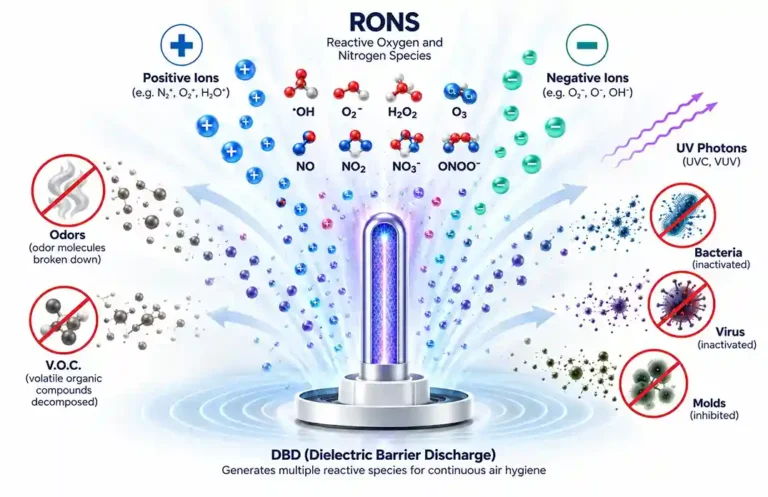
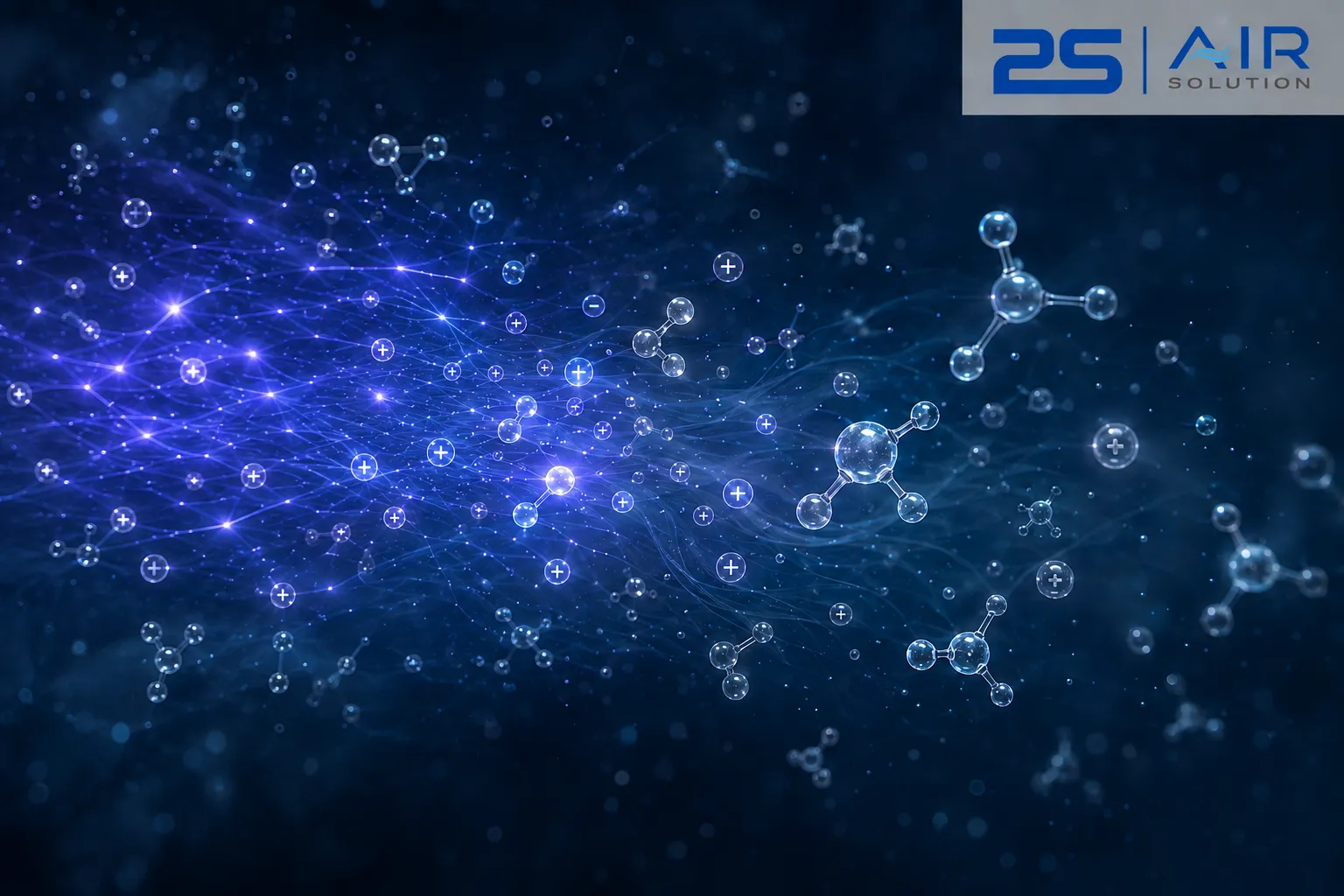
Cold Plasma, or Non-Thermal Plasma (NTP), is a process that uses low-energy electrical current to activate oxygen and nitrogen molecules in the air, converting them into Reactive Oxygen and Nitrogen Species (RONS) — reactive species that can damage the cell membranes of microorganisms, break down VOCs and rapidly decompose odour molecules.
This process operates 24 hours a day at room temperature without generating heat or leaving chemical residues, and is designed to be safe for people while the system is in operation.
Breaks Down Odours at the Source
RONS break down NH3, H2S, and Mercaptans at the molecular level — rather than simply masking odours.
Operates 24/7 in Occupied Spaces
Unlike UV-C systems that require restricted access — NTP can operate continuously under normal occupied conditions.

Safe for All Groups
Designed with safety in mind for all users, including spaces occupied by children and older adults.
— Solution —
2 System Options
Choose the system that best suits your space
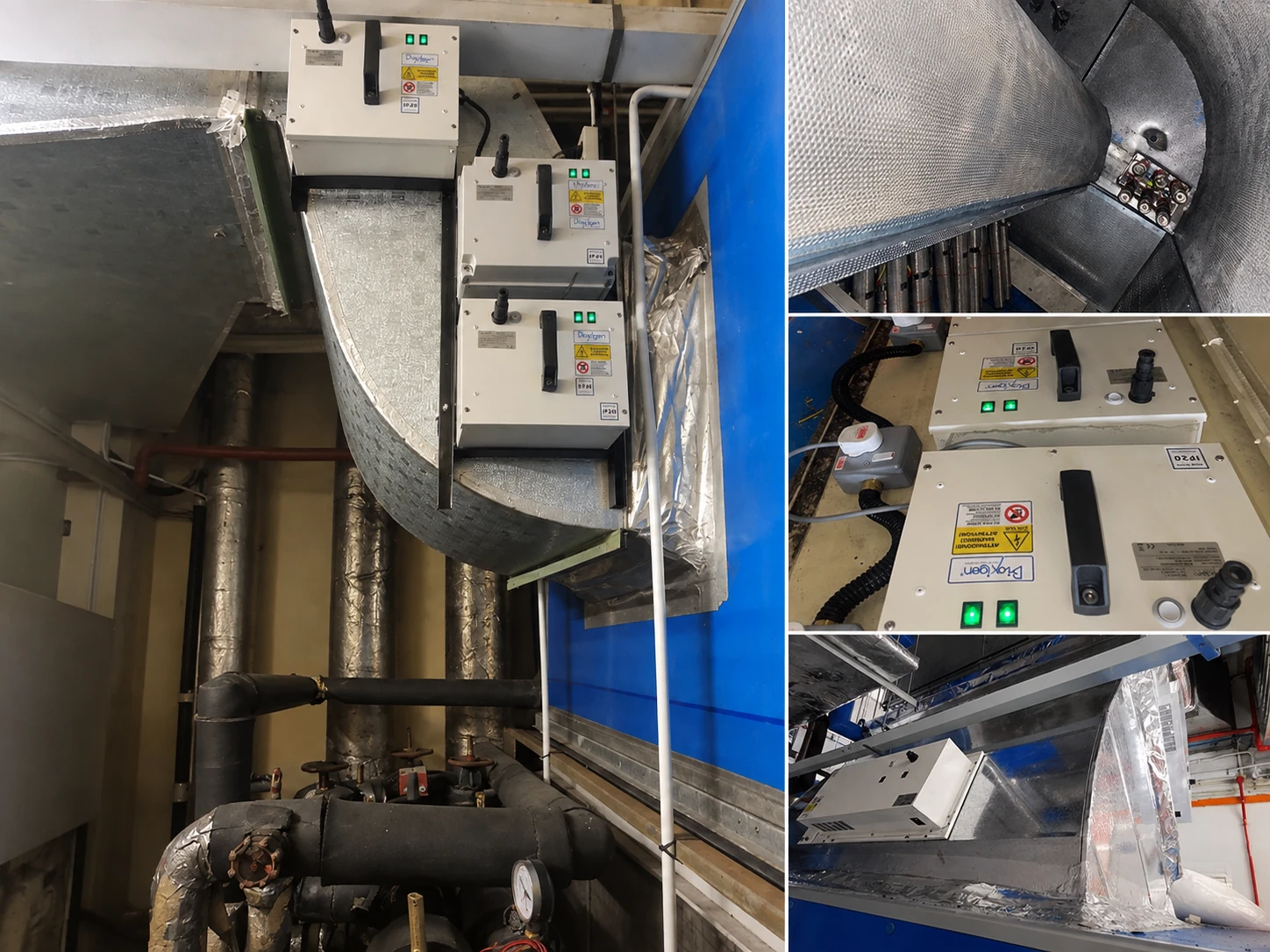
In-Duct NTP System
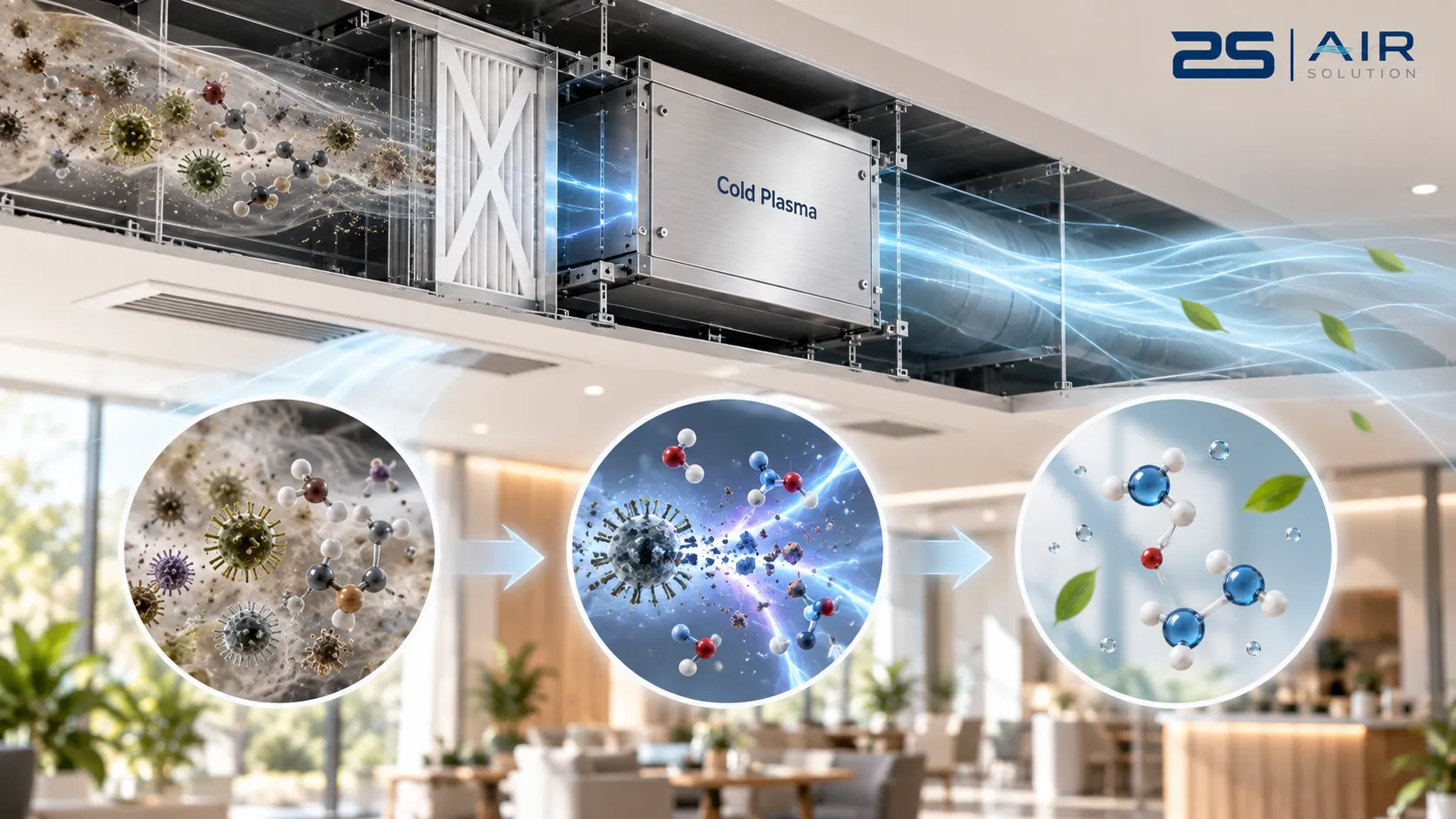
Installed in existing air ducts to provide simultaneous coverage across all areas
Details: The In-Duct NTP system is installed inside the ductwork of the building's AHU (Air Handling Unit) or FCU (Fan Coil Unit), continuously purifying the air passing through every duct and covering all rooms in the building without requiring separate equipment for each room
Suitable for: 🏢 Offices and Buildings · 🏨 Hotels · 🏥 Hospitals · 🏫 Schools and Universities · 🏭 Food Factories (GMP/HACCP)
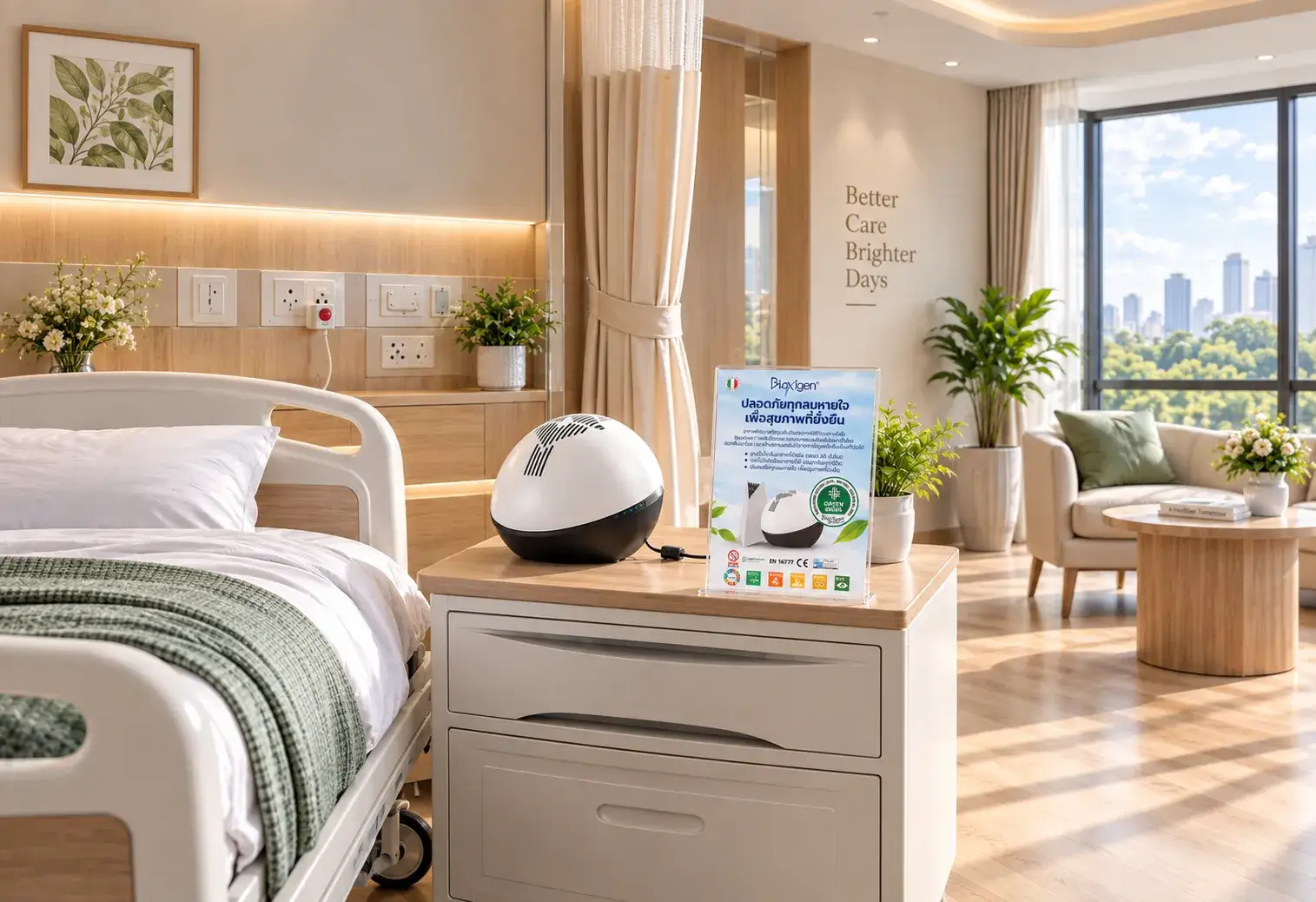
Stand-Alone NTP Unit
Plug & Play — Easy to Install, Ready to Use Immediately
Details: Stand-Alone NTP is a floor-standing or wall-mounted air purification unit designed for areas that require particularly high air quality or areas not covered by the duct system. No technician installation is required, and it is ready to use immediately
Suitable for: 🐾 Pet Hotel / Cat Cafe · 👴 Senior Care / Care Home · 🏥 Clinic / Examination Room · 🏠 Residence · ☕ Café / Coworking Space

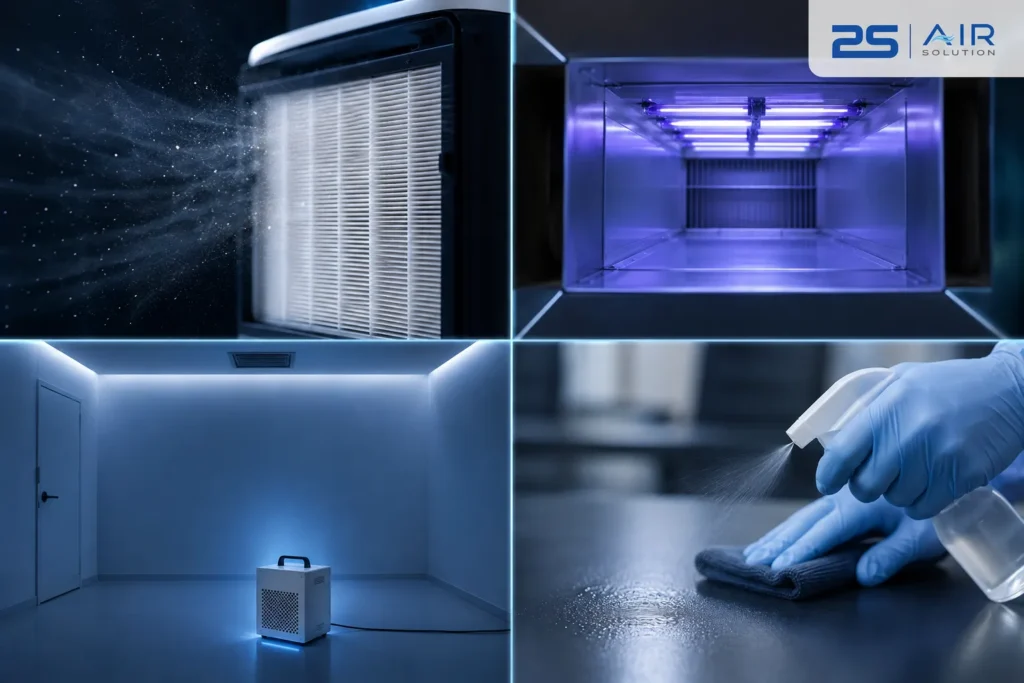
Cold Plasma NTP vs Other Technologies
Why Choose Cold Plasma NTP?
| Feature | Cold Plasma NTP | HEPA Filter | UV-C | Conventional Air Purifiers |
|---|---|---|---|---|
| Virus & Bacteria Reduction | ✅ Helps reduce viruses & bacteria* | ✅ Helps capture airborne particles | ⚠️ Effectiveness depends on UV dose & exposure | ⚠️ Depends on technology |
| Odour Control | ✅ Helps break down odour-causing molecules | ⚠️ Limited without specific gas-phase media | ⚠️ Depends on system & application | ⚠️ Depends on technology & filter media |
| VOC Reduction | ✅ Helps reduce certain VOCs | ⚠️ Limited without VOC filtration media | ⚠️ Depends on technology & system design | ⚠️ Depends on technology & filter media |
| Operation in Occupied Spaces | ✅ Designed for continuous operation in occupied spaces* | ✅ Suitable | ⚠️ Depends on system configuration | ✅ Suitable |
| Periodic Component Replacement | ⚠️ DBD tube replacement based on service life | ⚠️ Filter replacement based on condition & service interval | ⚠️ UV lamp replacement based on service life | ⚠️ Depends on technology/model |
| HVAC Integration | ✅ Designed for HVAC integration | ⚠️ Depends on system design | ✅/⚠️ Available in certain configurations | ⚠️ Depends on product type |
⚠️ Note: Results depend on the size of the area, airflow volume and system design
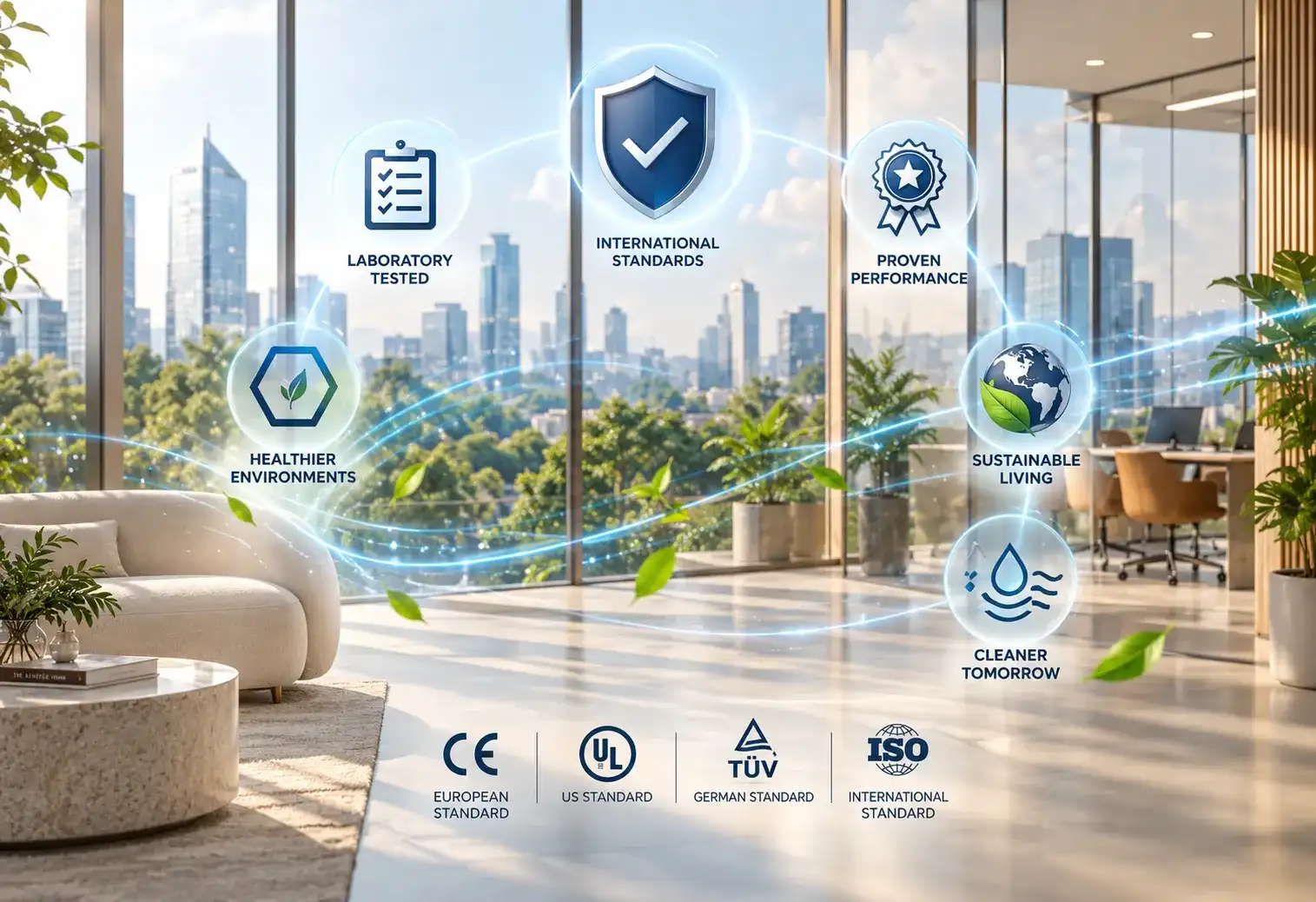
Standards Supporting This Technology
Standards & Certifications
CE — European Conformity
Applicable products comply with relevant European Union requirements and standards.
US Standards & Testing
U.S. solutions are evaluated against applicable standards and testing requirements.
TÜV PROFiCERT — German Certification
Bioxigen® production and product inspection processes have been certified by TÜV Hessen, Germany.
ISO — International Standards
Relevant products and testing follow applicable ISO standards according to technology and application.
Independent Laboratory Tested
Relevant technologies are supported by independent laboratory and institutional testing, including Bioxigen® testing according to EN 16777:2019.
— FAQ —
Frequently Asked Questions About Air Purification Systems
Are Cold Plasma and Non-Thermal Plasma (NTP) the same?
Yes, they are exactly the same. Cold Plasma is the term more commonly used in general communication, while Non-Thermal Plasma (NTP) is the scientific term used in ASHRAE 62.1 documentation and academic research. Both refer to the same process: generating RONS (Reactive Oxygen and Nitrogen Species) using electrical current at room temperature.
Do we need to dismantle the existing air-conditioning system?
No. The In-Duct NTP system is designed to be installed inside existing AHU or FCU ductwork. Installation takes 1–3 days, does not require the building to stop operating and does not damage the existing system.
Does the system generate dangerous ozone?
No. NTP systems that meet CE and TÜV ProfiCert standards produce ozone at < 0.04 ppm, significantly below the WHO Guideline (0.1 ppm) and OSHA Standard (0.1 ppm). This level is even below the level detectable by humans.
Is there evidence supporting the 99.9% pathogen-elimination performance?
Based on both European standard testing and real-world usage in healthcare facilities.
Evidence 1: EN 16777 Standard (Europe) Bioxigen’s Cold Plasma technology is certified under the EN 16777 standard, a European standard for air purification devices. Test results under standard conditions demonstrate a 99.9% viral elimination efficacy and over a 90% reduction in bacteria, without generating ozone exceeding the WHO Guideline (0.1 ppm).
Evidence 2: Real-World Testing Measurements taken at the Ca dei Fiori nursing home in Treviso, Italy, after installing the Bioxigen system showed the following results in a real-world environment:
Total Mesophilic Load (total airborne bacteria): Decreased by 47%
Mold Spores: Decreased by 68%
Coliforms: Undetected after system activation
In highest-risk rooms: Maximum reduction of 82.5%
Note: Actual results depend on room size, air circulation volume, and environmental conditions — 2S assesses and designs the system to suit the space prior to every installation.
What is the difference between the Stand-Alone and In-Duct systems?
The main difference is how purified air is distributed. In-Duct NTP operates through the central air-conditioning ductwork and covers all rooms simultaneously. Stand-Alone NTP is an individual Plug & Play unit for rooms or targeted areas of 10–175 m³. Some projects use both systems together to cover all zones.